

A Varda Viaduct day trip from Adana takes you to a historic railway bridge in Karaisalı district, about 2 km north of Hacıkırı village. The curved structure crosses a deep valley, and you can approach the area by road or look into train access through Hacıkırı Station.
- Location: Karaisalı district, Adana Province
- Road approach: vehicles travel from Adana toward Karaisalı
- Listed visitor hours: 09:00–19:00 daily; confirm before setting out
Where is Varda Viaduct?
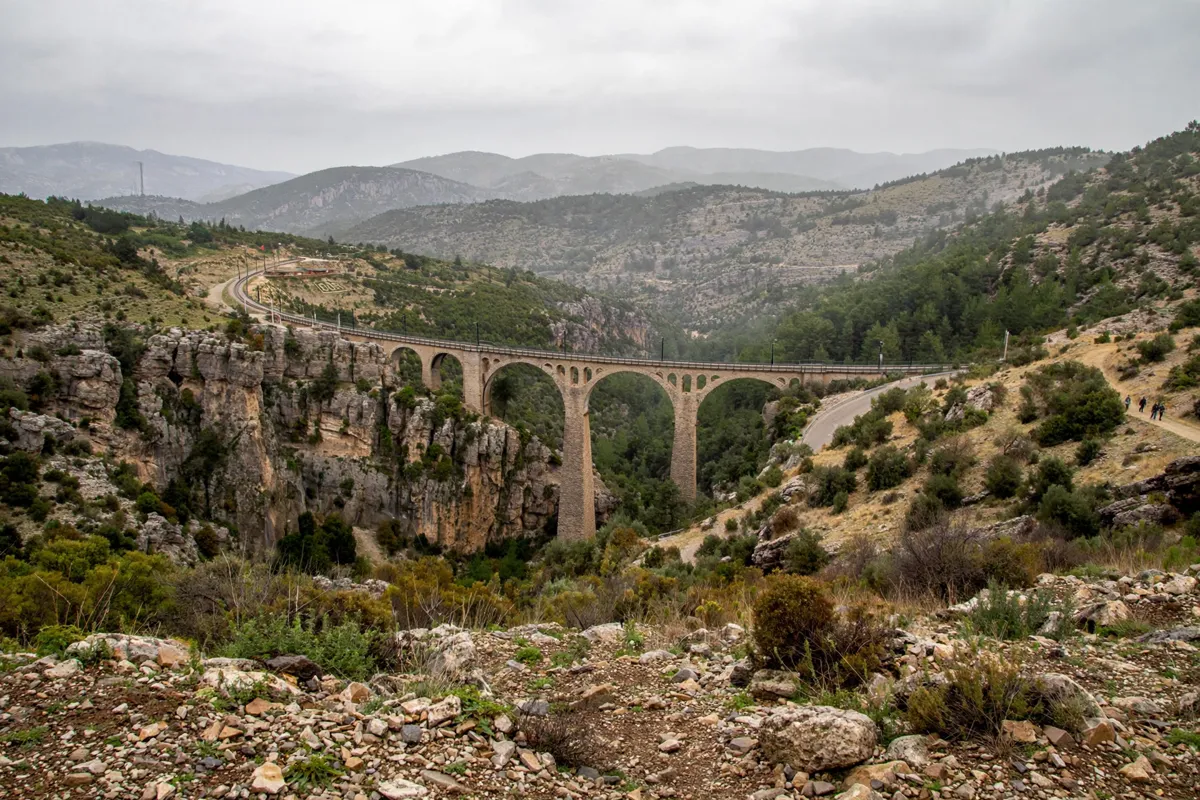
Varda Viaduct stands about 2 km north of Hacıkırı village in Karaisalı district, Adana Province. Its other names are Varda Köprüsü and Koca Köprü.
The bridge was built between 1907 and 1912 as part of the Istanbul–Baghdad–Hejaz Railway project. Its construction followed an agreement between Ottoman Sultan Abdülhamid II and German Emperor Kaiser Wilhelm II. The viaduct is 99 m high and 172 m long, and its curved line spans a deep valley.
How can you reach Varda Viaduct from Adana?
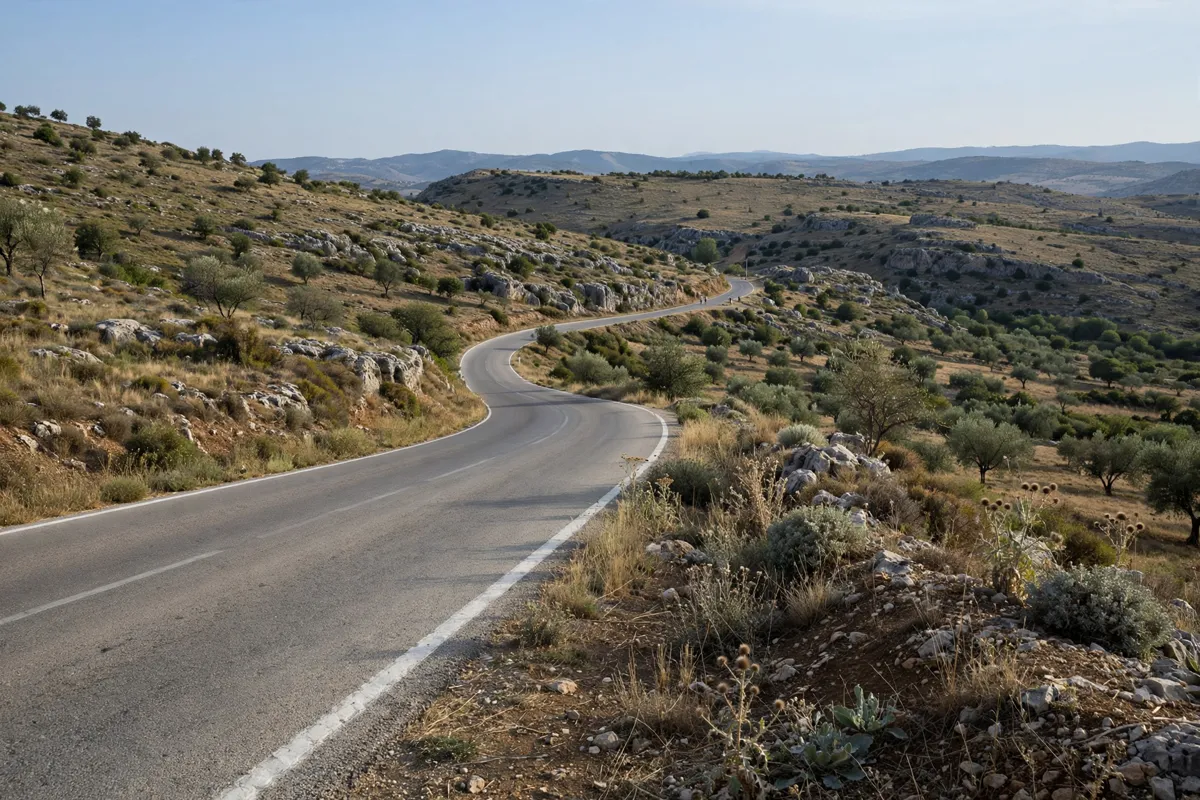
You can reach the area by vehicle from Adana in the direction of Karaisalı. The Adana provincial tourism page links to map directions from Çukurova International Airport, Adana Bus Terminal and Adana Railway Station, but does not give journey durations or transport schedules.
If you’re arriving by air, this guide to getting from Adana Şakirpaşa Airport to the city centre can help you plan that transfer separately before arranging the onward trip.
Train access is another possibility to investigate: Hacıkırı Station is identified as a nearby rail access point. Train times depend on the route and travel date, so check TCDD Taşımacılık’s official ticket-search system before planning around the railway. The available search system does not show a Varda-area timetable without those details.
The local road and final leg are not covered by a published local bus timetable or schedule in the provincial tourism information. If you plan to use public transport, confirm each connection and the onward journey to the viaduct before leaving Adana.
What can you see at the viaduct?
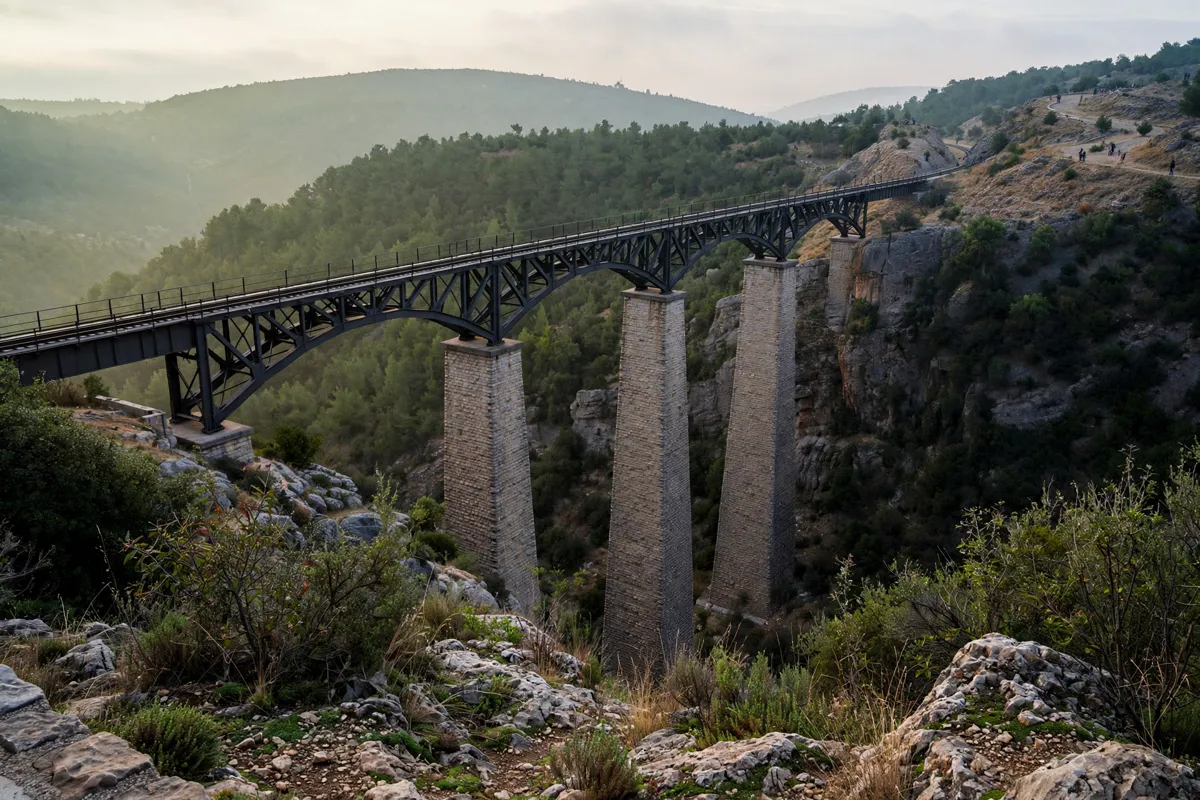
The main sight is the railway structure itself: a 99 m-high, 172 m-long bridge curving across a deep valley. From designated viewing terraces and safe walking areas, you can take in the bridge and its rural setting without entering railway or restricted areas.
Trains still pass over the viaduct, so the railway is an active part of the site, not a visitor walkway. Keep to the marked viewing areas and do not approach the tracks or bridge without authorization.
What should you know about access and safety?
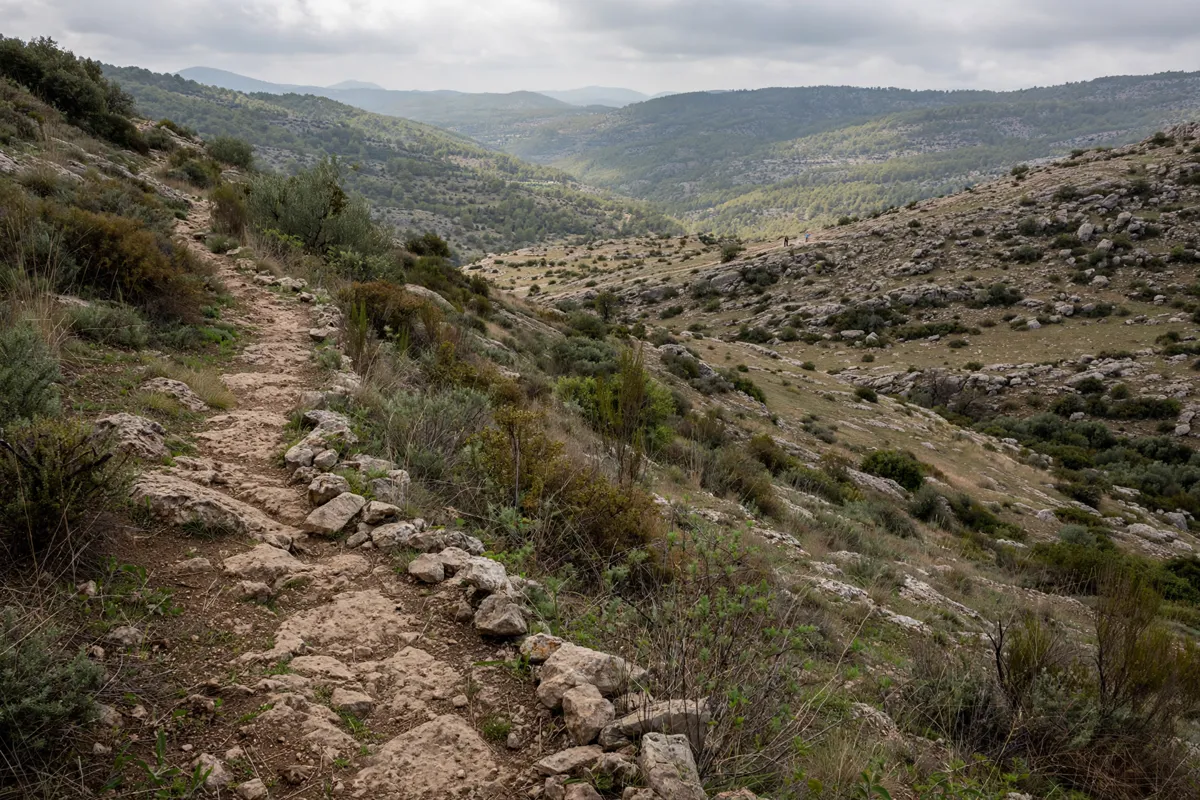
Stay in designated viewing terraces and safe walking areas, and keep away from the tracks. Some areas are high and have no railings; paths can include uneven stones and sloping ground. Take particular care if you have limited mobility.
The site listing identifies barrier-free access and guide service among its accessibility features, but also cautions that slopes and uneven paths require care. Food, drink and places to rest are limited in the area, so bring water and snacks. Drone photography may require prior permission.
The Turkish Ministry of Education listing gives daily visitor hours as 09:00–19:00, while also describing the open area as visitable 24 hours. Because those statements differ, check the official site before you go. Follow its safety guidance and do not enter the tracks.
How do you plan a practical day trip?
Start by choosing your transport: confirm a road journey toward Karaisalı or check TCDD Taşımacılık for train times and onward connections from Hacıkırı Station. Then verify access hours and prepare for the limited facilities at the site. From Surmeli Adana Hotel rooms, the viaduct is about 41.7 km away, making it a separate outing from the city centre.
Once there, use the designated viewing terraces and safe paths to see the viaduct and valley. Allow time for the approach and the visit, but plan your schedule around confirmed transport rather than assuming a bus or train connection will be available.
If you’re adding time in town before or after the trip, a one-day walking route through central Adana gives you a city itinerary to consider.
FAQs
What is Varda Viaduct also called?
It is also known as Varda Köprüsü and Koca Köprü.
How old is the bridge?
Construction took place from 1907 to 1912 as part of the Istanbul–Baghdad–Hejaz Railway project.
Can you walk on the tracks?
No. Trains still pass over the bridge, and visitors are told not to enter the tracks or approach the bridge without authorization.
Are there facilities at the site?
Food, drink and resting facilities are limited. Bring water and snacks for your visit.